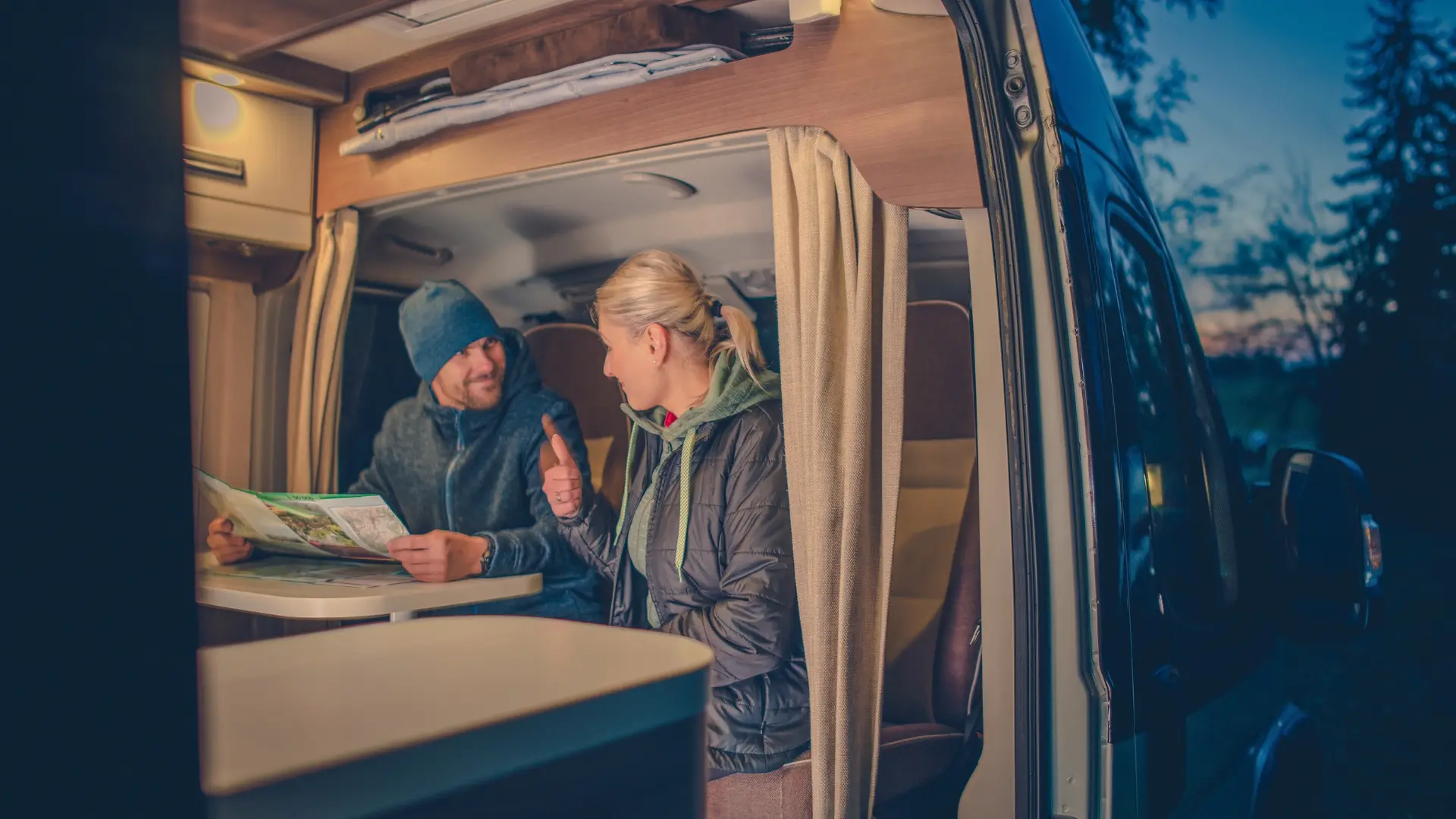
Ever gone on your first camping trip thinking you had everything figured out, only to realize within the first hour that you didn’t? I remember arriving at the campsite feeling confident, then slowly noticing how many small things I hadn’t thought about. Setting up a tent on uneven ground, finding where the light fades, and figuring out where to keep food, none of it works the way it looks online.
What surprised me most was how different everything feels once you’re actually out there. Nights get colder, sounds feel louder, and suddenly that simple checklist you made at home feels incomplete. You start noticing the little stuff, where the wind is coming from, how far the bathroom is, how dark it gets when the fire goes out. That’s when you realize how much of camping you only learn by doing it.
I ended up reading a few guides after that first trip just to make sense of what went wrong and what I could do better next time. A lot of the things it talks about are exactly the small details I wish someone had told me before that first night in a tent.
22 Things No One Told Us When I Started Camping
1. It gets colder than you expect at night
Even if the day was warm, the moment the sun drops, the temperature falls fast. On my first camping trip, I remember sitting outside in a t-shirt at sunset and then suddenly needing every layer I had just an hour later. Out in the open, there’s nothing to trap heat the way buildings do, and once the ground and air cool down, it really hits you.
What makes it tricky is that the cold doesn’t always feel obvious right away. You get comfortable by the campfire, you tell yourself it’s fine, and then you crawl into your tent and realize how cold everything actually is. The air inside cools quickly, the ground pulls heat from your body, and suddenly your sleeping bag doesn’t feel as warm as it did at home.
That’s why camping warmth is about more than just a thick sleeping bag. Extra layers, socks, a warm hoodie, and something between you and the ground make a huge difference. Most first-time campers don’t think about that until they’re lying there shivering, wishing they had packed just one more blanket.
2. The ground makes you colder than the air
This was one of the biggest surprises on my first camping trip. I had a decent sleeping bag and warm clothes, but I still woke up feeling cold from underneath. The air inside the tent wasn’t the problem; it was the ground. No matter how mild the night feels, the earth stays cold, and it quietly pulls heat out of your body the whole time you’re lying on it.
That’s why a sleeping pad or air mattress matters so much more than most people realize. Without one, your body heat just sinks straight into the dirt. Even a thick sleeping bag can’t stop that. Once I started using a proper pad between me and the ground, sleeping outside became a lot more comfortable, even on colder nights.
3. Condensation looks like your tent is leaking
Most first-time campers assume a wet tent means rain got in. That’s the part no one really explains beforehand. The moisture on the walls usually comes from inside, from breathing, body heat, and warm air hitting cold fabric.
Because this isn’t something people think about, the instinct is to blame the tent, not the airflow. Closing everything up to “stay warm” actually makes the problem worse. A small vent or cracked window feels wrong, but it’s what keeps the inside dry by morning. It’s one of those quiet camping lessons almost everyone learns only after waking up to a damp sleeping bag.
4. Wind matters more than the rain
Most people worry about rain when they think about camping, but what really makes or breaks a night is the wind. That’s the part hardly anyone talks about before their first trip. A little wind can turn a light drizzle into water blowing straight into your tent, flapping the fabric all night, and making everything feel colder than it should.
Wind is what sneaks under poorly staked tents, loosens rainflies, and carries cold air right through the campsite. Even on a dry night, a strong breeze can make sleeping uncomfortable and noisy. Learning how to face the tent away from the wind and properly tension the rainfly is one of those things most campers only figure out after a rough night of flapping fabric and lost sleep.
5. A flat spot is more important than a good view
When picking a campsite for the first time, it’s tempting to choose the spot with the nicest view or the most open space. That’s what most people do. What usually gets missed is how much the ground itself affects the entire night. A slight slope you barely notice in daylight can turn into hours of sliding, rolling, and waking up uncomfortable.
Sleeping at even a small angle puts pressure on your back and makes it harder to stay warm. Water also runs downhill, which means a low or uneven spot can turn into a puddle if it rains. It’s one of those things nobody really points out until after you’ve spent a night fighting gravity instead of sleeping.
6. A “two-person” tent is really a one-person tent
Most people assume a two-person tent means two people will fit comfortably, but that’s rarely how it works in real life. Those numbers are based on sleeping bodies laid side by side, not on backpacks, shoes, jackets, or the space needed to actually move around. That’s something hardly anyone explains when buying their first tent.
Once gear is inside, the space shrinks fast. Even just sitting up or changing clothes can feel cramped. This is why so many first-time campers feel boxed in on their first night. Choosing a tent rated for one more person than you need usually makes the whole trip feel far more relaxed and livable.
7. You need more space than you think
On the first camping trip, everything looks fine when the tent is empty. There’s room to lie down, room to sit up, and it feels like plenty. But once backpacks, shoes, jackets, water bottles, and food come inside, that space disappears fast. Suddenly you’re stepping over things, knocking stuff over, and trying to change clothes without brushing the tent walls.
That’s the part most people don’t realize beforehand. A tent isn’t just for sleeping — it becomes your storage, your changing room, and sometimes your shelter from wind and rain. Without extra space, even simple things start to feel awkward. Having a little breathing room makes the whole trip calmer and far more comfortable, especially when the weather forces everyone inside.
8. Earplugs aren’t optional on busy campgrounds
Campgrounds are rarely as quiet as people imagine. Even when the natural sounds are nice, there’s always something else going on, doors zipping, people talking late into the night, kids waking up early, engines starting, or someone walking past your tent with a flashlight. That constant background noise is one of the biggest surprises for first-time campers.
Canvas and nylon don’t block much sound, so everything feels closer and louder than it would at home. A single loud neighbor or a barking dog can turn a long night into a restless one. That’s why a small pair of earplugs can make a bigger difference than most pieces of gear. It’s one of those simple things hardly anyone thinks to pack until they really need it.
9. Water is never as “available” as you expect
Before a camping trip, it’s easy to assume water will be right there whenever it’s needed. In reality, it’s often a walk away, shared with dozens of other campers, or only available at certain spots around the campground. That’s something most people don’t realize until they’re already cooking, washing dishes, or brushing their teeth and have to keep going back and forth with bottles and jugs.
Water also gets used faster than expected, for drinking, cooking, cleaning, and washing up. Running out or having too little turns simple tasks into a hassle. Having extra water at the campsite saves time, energy, and a lot of frustration, especially on the first few trips when everything already feels new.
10. The first-meal mistake: complicated cooking
A lot of first-time campers plan their meals like they’re still at home, with recipes that need multiple ingredients, utensils, and careful timing. That’s usually where things start to feel stressful. Wind, low light, limited space, and one small burner can turn even a simple dish into a long, frustrating process.
What most people learn the hard way is that the first meal sets the tone for the whole trip. When cooking is easy, everything feels relaxed. When it’s complicated, everyone gets tired and hungry fast. Simple, one-pot meals or pre-made food make those first hours at camp far more enjoyable, especially when everything else is still being set up.
11. Food smells travel farther than you think
Out in the open, food doesn’t just stay on your table or inside your cooler; the smell carries. Cooking, eating, and even opening a snack can send scent drifting through the campsite, which is something most new campers don’t think about. To animals and insects, it’s basically an open invitation.
This is why leftovers, wrappers, and dirty dishes become a bigger deal outdoors than they ever are at home. Raccoons, dogs, ants, and other curious visitors are quick to show up once they catch a smell. Keeping food sealed, cleaning up right away, and storing everything properly makes a huge difference, and it’s one of those habits people usually learn only after a surprise nighttime visit.
12. Trash and leftovers attract everything
What gets thrown away at home without a second thought becomes a magnet at a campsite. Leftover food, wrappers, empty cans, and even greasy paper towels give off strong smells that travel through the air, especially at night when everything is quiet. That’s something most first-time campers don’t realize until they hear rustling outside the tent.
Animals and insects are always on the lookout for an easy meal, and a loosely tied trash bag is all it takes. Once something finds it, the mess spreads fast. Keeping trash sealed, stored away from where you sleep, and taken to the bin before bed is one of those small habits that saves a lot of trouble later.
13. Ants find your campsite faster than you do
It doesn’t take long for ants to show up once food hits the table. A single crumb, a spilled drink, or an open snack is enough for them to move in. That’s something a lot of people only discover after setting everything up and suddenly noticing a trail of tiny visitors heading straight for their stuff.
Unlike bigger animals, ants don’t make noise or wait until night; they just quietly take over. Once they’re there, getting rid of them is much harder than keeping them away in the first place. Keeping food sealed, wiping surfaces, and not leaving anything sugary or sticky around makes camping a lot less itchy and a lot more comfortable.
14. You need a plan for the dark
Daytime at a campsite feels simple, but everything changes once the sun goes down. What looked clear and easy in daylight suddenly turns into shadows, uneven ground, and a lot of guessing where things are. That’s something most people don’t think about until they’re stepping outside the tent in the dark, trying to find a bathroom, shoes, or a flashlight.
Without a plan, it’s easy to trip, knock things over, or wake everyone up. Knowing where the lights are, where the shoes are kept, and how to move around the campsite makes nights much calmer. A little nighttime organization goes a long way when you’re half asleep, and everything is pitch black.
15. Headlamps are better than lanterns
Lanterns look great on a picnic table, but they don’t help much when you’re actually trying to do things. Once it gets dark, most camping tasks need light exactly where you’re looking — finding something in a bag, walking to the bathroom, setting up bedding, or cooking. That’s where headlamps quietly become the most useful piece of gear.
A headlamp moves with you, keeps both hands free, and lets you see without having to carry anything. It’s one of those things people often skip on their first trip, then realize how inconvenient everything feels without it. After using one, it’s hard to go back.
16. Wet gear has to go somewhere
Rain, dew, and even just damp air leave clothes and gear wet more often than expected. Jackets, towels, socks, and shoes all pick up moisture just from being outside. It doesn’t take much for everything to start feeling cold and clammy.
The mistake most people make is bringing all of that straight into the tent. Once wet things are piled inside, the space gets uncomfortable fast, and nothing really dries. Sleeping bags, clothes, and even the floor start to feel damp.
Having a simple place to put wet gear changes everything. A chair, a line, or even a corner of the campsite keeps moisture out of where you sleep. It’s one of those quiet camping lessons that only makes sense after dealing with soggy clothes.
17. Shoes always disappear at night
During the day, shoes are on and off all the time, and they end up getting kicked to random places around the tent. It doesn’t feel like a problem until it’s dark and you suddenly need to step outside. That’s when it turns into a slow, awkward search with a flashlight.
Walking around barefoot on cold, uneven ground isn’t fun, and stepping on something sharp is even worse. But without a set place for shoes, that’s exactly what happens. A simple habit of keeping them in the same spot every time makes nights much easier, especially when you’re half asleep and just trying to find your way.
18. Your tent is not your living room
When people imagine camping, they picture sitting comfortably inside the tent, hanging out like they would at home. In reality, tents are made for sleeping and staying dry, not for spending all day inside. Once two people, bags, and gear are in there, the space fills up fast.
This is something most first-time campers only realize after a few cramped hours. Trying to eat, change clothes, or relax inside a small tent quickly becomes uncomfortable. That’s why having a spot outside, a chair, a tarp, or just some open space makes such a big difference. Camping feels a lot better when the tent is just where you sleep, not where you live.
19. You’ll get dirty no matter what
Camping looks clean in photos, but it never stays that way for long. There’s always dust on your shoes, smoke on your clothes, and bits of leaves or sand getting everywhere. Even if you try to keep things neat, it doesn’t really work.
The first time out, that part can feel a little annoying. You start wiping things down, shaking out clothes, trying to keep the tent spotless. After a while, you realize it’s easier to just accept it. Dirt is part of being outside, and once you stop fighting it, everything feels a lot more relaxed.
20. One tiny forgotten item can ruin the whole setup
It’s never the big things that cause problems. The tent, sleeping bags, and food are usually packed. What gets missed are the small things, a lighter, a headlamp, a pump, or the tent stakes, and those are the ones that stop everything from working.
When something like that is missing, even simple tasks suddenly become frustrating. You can’t cook, can’t inflate the mattress, or can’t properly set up the tent. Everything else is there, but you’re stuck waiting, improvising, or borrowing from someone else.
That’s what makes it so annoying. One tiny thing doesn’t sound important at home, but out at a campsite, it can throw off the whole rhythm of the trip. Most campers only learn this after at least one long, uncomfortable evening.
21. One-night trips feel rushed
On a first camping trip, it’s easy to think one night will be enough. After all, you’re just going out to sleep in a tent and come back, right? But once you arrive, everything takes longer than expected, finding your site, setting up the tent, organizing gear, cooking, and getting settled before dark.
By the time you finally sit down and feel like you can breathe, the night is already half over. You might just start enjoying the fire, the quiet, and the feeling of being away when it’s suddenly time to think about sleeping.
Then the next morning comes quickly, and instead of easing into the day, you’re packing everything back up. One night doesn’t give you time to relax into camping, it only gives you time to realize how much more time you need.
22. The first trip is really just a learning trip
Most people go into their first camping trip hoping it will feel smooth and relaxing, but it rarely works out that way. There are always small mistakes, forgetting something, setting the tent up wrong, cooking later than planned, or not sleeping as well as expected. None of that means the trip was bad. It just means it was the first one.
That first time is when all the little realities show up. You learn what you actually use, what you didn’t need, and what you wish you had brought. Things that sounded simple at home suddenly feel different when you’re doing them outside.
Once that trip is over, everything changes. The next time out feels easier, calmer, and more familiar. The first trip isn’t about getting it perfect; it’s about figuring out what camping really feels like.
Conclusion
After going through all of this, one thing becomes pretty clear: most of what matters in camping isn’t in any packing list. It’s in the small moments: how cold the ground feels, how loud the night gets, how fast food smells travel, or how one missing item can throw everything off.
None of these things ruin camping, but not knowing them makes the first trip harder than it needs to be. Once you’ve been out there once, everything clicks. You stop overthinking some things and start paying attention to the ones that actually make a difference.
That’s really what this first camping trip gives you, not a perfect experience, but a better one the next time you go.