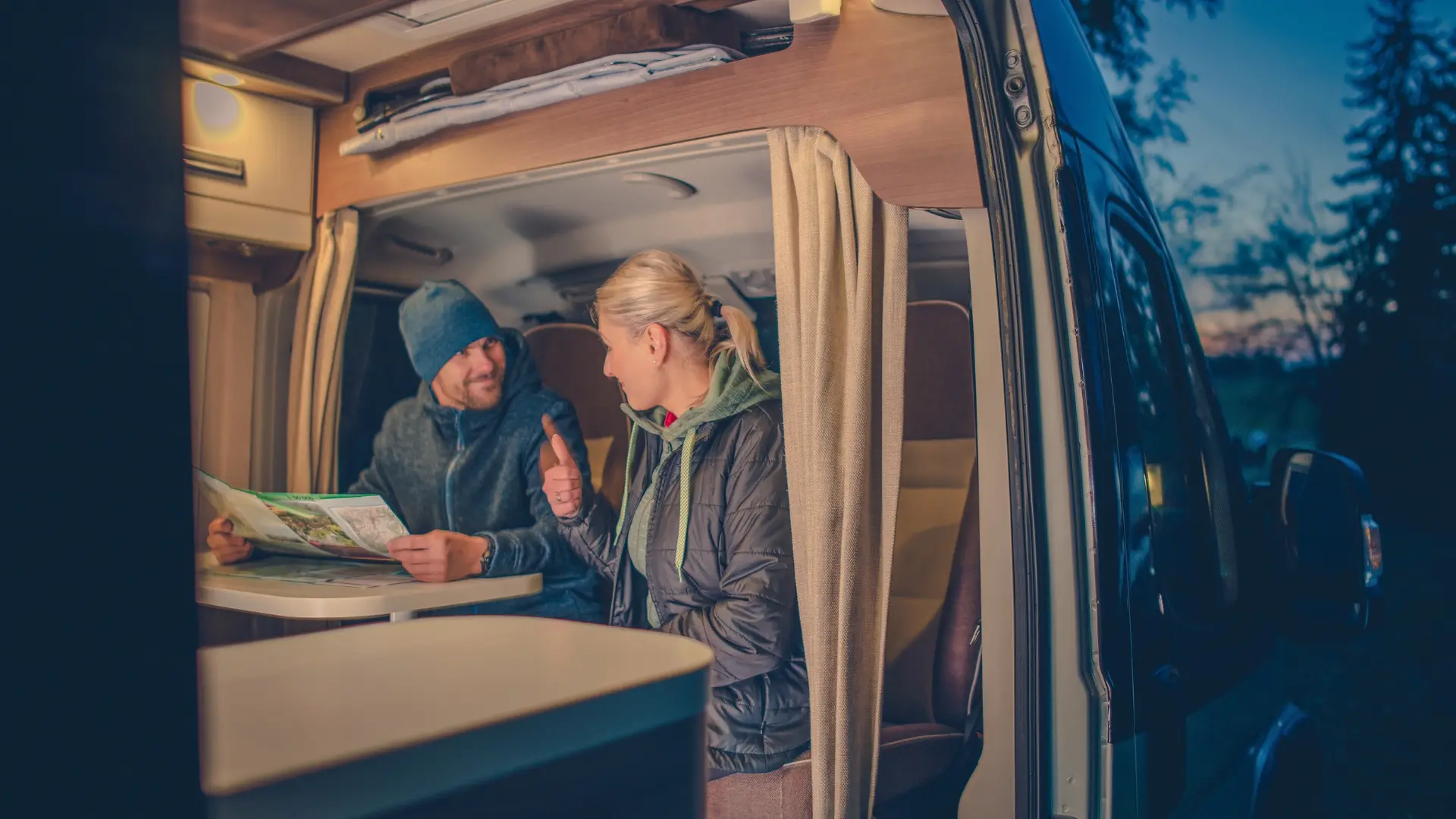
Ever planned a camping trip, thinking you were prepared, only to realize halfway in that something important was missing?
Most camping mistakes don’t come from lack of effort; they come from relying on the wrong advice. Gear that looks great online but fails in bad weather. Campsites that promise solitude but feel overcrowded. Tips that sound good in theory but don’t hold up after a long day outdoors.
That’s why experienced campers don’t rely on one source anymore. We follow a handful of top camping blogs that consistently share practical, experience-backed advice, the kind that helps you pack smarter, choose better gear, and respect the outdoors while you’re at it. Principles around campsite responsibility and low-impact camping, often referenced through resources like Leave No Trace, quietly shape how good campers plan their trips.
In this article, we’ve rounded up the best camping blogs worth following in 2026, written by people who’ve dealt with wet mornings, broken zippers, changing weather, and still keep heading back outside.
7 Best Camping Blogs You Should Be Reading in 2026
1. SportingNomad

SportingNomad feels like a site that grew out of real camping questions rather than a content plan. It started with a clear focus on camping gear and trip planning, but over time, it expanded naturally into destinations, how-to guides, and practical advice that sits somewhere between beginner-friendly and experience-backed. That balance is what makes it useful beyond a single visit.
What stands out is how the content helps with decisions, not just discovery. Gear articles are written to narrow choices, not inflate them, often focusing on real-world usability, setup time, comfort, weather performance, and long-term practicality. The destination and planning guides follow a similar approach, covering what campers actually need to know before committing to a trip rather than overselling the experience.
In 2026, this kind of clarity matters. Campers are dealing with information overload, too many reviews, too many opinions, and too little context. SportingNomad does a good job of connecting gear, planning, and experience, so you’re not reading isolated advice that doesn’t translate once you’re outdoors.
I usually return to SportingNomad when I want to avoid overthinking or second-guessing a choice. It doesn’t try to be everything at once, but it consistently helps you make better, more confident camping decisions, which is exactly why it earns a place among the best camping blogs to follow in 2026.
2. Fresh Off the Grid

Fresh Off the Grid began as a project by a couple who spent a lot of time camping and quickly realized that food was the most overlooked part of trip planning. Early on, the site focused on simple camp recipes, but it gained traction because it addressed a very real problem: most camping food advice doesn’t work once you’re dealing with limited gear, limited time, and limited energy.
What sets this blog apart is how practical and repeatable the content is. Recipes are written with real constraints in mind, one pan, basic stoves, minimal cleanup. Beyond recipes, the site goes deeper into meal planning, prep at home, and packing strategies, which is where it becomes genuinely useful. You’re not just told what to cook; you’re shown how to make food fit smoothly into the flow of a trip.
In 2026, this matters more than ever. Many campers are doing shorter trips, moving camps frequently, or combining camping with road travel. Fresh Off the Grid fits that style of camping well because it reduces friction instead of adding complexity.
I usually use this site before trips where food could easily become an afterthought. It helps me plan meals that feel intentional without taking focus away from camping itself. That consistency and usefulness are why Fresh Off the Grid earns its place among the best camping blogs to read in 2026.
3. Backpacker

Backpacker has been around long enough that most campers recognize the name, but its value becomes clearer once you move beyond casual trips. It started as a magazine focused on backpacking and backcountry travel, and that DNA still shows in how seriously it treats skills, preparation, and safety. This isn’t a site built for quick reads — it’s built for understanding.
What sets Backpacker apart is the depth of its instructional content. Articles go beyond surface-level tips and instead explain why certain decisions matter, whether it’s gear choice, weather awareness, navigation, or backcountry safety. The writing assumes readers want to learn, not just be told what to buy. For campers who are slowly pushing into longer hikes, tougher conditions, or remote areas, that depth is hard to replace.
In 2026, Backpacker remains relevant because camping has become more accessible, but not necessarily simpler. Many new campers underestimate the learning curve once trips involve elevation, weather changes, or limited support. Backpacker fills that gap by providing well-structured, experience-driven guidance that holds up even as trends change.
I usually turn to Backpacker when I’m planning something that requires more than basic preparation. It’s not the first site I open, but it’s often the one I trust most when the stakes are higher. That reliability is why it earns a place on this list.
4. Bear Foot Theory

Bearfoot Theory began as a personal outdoor blog and gradually grew as its guides started solving real problems campers and hikers run into when planning trips. Instead of focusing on destinations alone, the site leaned early into preparation, route planning, safety considerations, packing decisions, and understanding conditions before heading out. That practical angle is what helped it gain traction over time.
What stands out most is how methodical the content is. Articles are structured to walk you through decisions step by step, often covering things people forget to think about until they’re already outdoors. Topics like campsite selection, weather awareness, and low-impact practices are explained clearly, without assuming advanced knowledge. The writing is instructional but approachable, which makes the site useful for both newer campers and those pushing into longer or more remote trips.
In 2026, Bearfoot Theory remains relevant because camping has expanded beyond simple weekend trips. More people are combining camping with hiking, road travel, and unfamiliar terrain. This site helps bridge the gap between enthusiasm and preparedness, offering guidance that reduces uncertainty rather than adding more choices.
I use Bearfoot Theory most when planning trips that require extra thought — new environments, longer distances, or unfamiliar conditions. It doesn’t replace experience, but it shortens the learning curve. That consistency and clarity are why it belongs on this list.
5. Gone Camping

Gone Camping started as a personal camping journal, and that origin still shows in how the site feels today. Instead of trying to cover everything about camping, it focuses on documenting real trips, campsites visited, routes taken, conditions experienced, and small details that tend to get lost in more polished blogs. It reads like someone writing for themselves first, and that’s what gives it credibility.
What stands out is the level of detail in each post. Campsites aren’t just mentioned; they’re described in terms of access, surroundings, and what it actually felt like being there. Photos support the story rather than dominate it, and the writing stays factual without being dry. You’re not told what to think — you’re shown what happened.
In 2026, this kind of content matters because many camping blogs prioritize speed and scale. Gone Camping does the opposite. It’s slower, more deliberate, and better suited for campers who want to understand what a place is really like before they go.
I find this site most useful when I’m researching unfamiliar areas or trying to set realistic expectations for a trip. It doesn’t replace guides or planning tools, but it complements them well. That clarity and honesty are why Gone Camping earns a place on this list.
6. Trail to Peak

Trail to Peak is the kind of blog you end up using when camping starts to overlap with hiking and elevation gain. It didn’t begin as a broad camping site — it grew around trail experiences, route planning, and time spent moving through terrain rather than staying in one place. That focus still defines how the content feels today.
What stands out is how route- and terrain-aware the writing is. Articles pay attention to trail conditions, difficulty, pacing, and what those factors mean once you’re carrying gear or planning an overnight stop. Instead of treating camping and hiking as separate activities, Trail to Peak connects them in a way that feels practical for people who camp along trails or plan trips around long hikes.
In 2026, this matters because more campers are mixing backpacking, multi-day hikes, and trail-based camping into their trips. Trail to Peak fits that style well by helping readers understand what a route actually demands before committing to it.
I usually refer to this site when planning trips where the trail itself shapes the experience, elevation, distance, and terrain all factor into decisions. That clarity and focus are why Trail to Peak earns its place on this list.
7. Camping Kiddos

Camping Kiddos is a site that makes sense the moment you start camping with children and realize how different the experience becomes. It was built around family camping from the start, and that focus shows in how detailed and realistic the content is. This isn’t generic camping advice with “kids” added as an afterthought; it’s planning-first content shaped around real family logistics.
What stands out is how thoroughly the site covers the small things that tend to cause stress on family trips. Packing lists, campsite setup, activities, and routines are all approached from a parent’s perspective, where simplicity and predictability matter more than adventure for adventure’s sake. The advice feels tested, not theoretical, and it’s written for parents who want camping to be enjoyable rather than exhausting.
In 2026, Camping Kiddos feels especially relevant as more families turn to camping as an affordable, screen-free way to travel together. The site helps bridge the gap between wanting to camp as a family and actually pulling it off smoothly.
I usually recommend Camping Kiddos to anyone planning their first few trips with children. It doesn’t push unrealistic expectations; it helps parents prepare properly, which is exactly why it earns its place on this list.
Conclusion
Good camping blogs don’t try to impress you; they quietly make your trips better. Each site on this list earns its place for a different reason, whether it’s helping you plan routes, choose the right gear, cook better meals, or camp more confidently with family. What they all have in common is experience. The advice comes from time spent outdoors, not from trends or shortcuts.
In 2026, camping information is everywhere, but useful guidance isn’t. The blogs featured here focus on clarity, preparation, and real-world decisions, the things that actually matter once you’re off the grid. Whether you’re heading out for a quick weekend trip or planning something more involved, these sites are worth returning to before you pack up and leave.
Bookmark the ones that match your camping style, come back to them when planning, and let experience, not hype, shape your next trip.