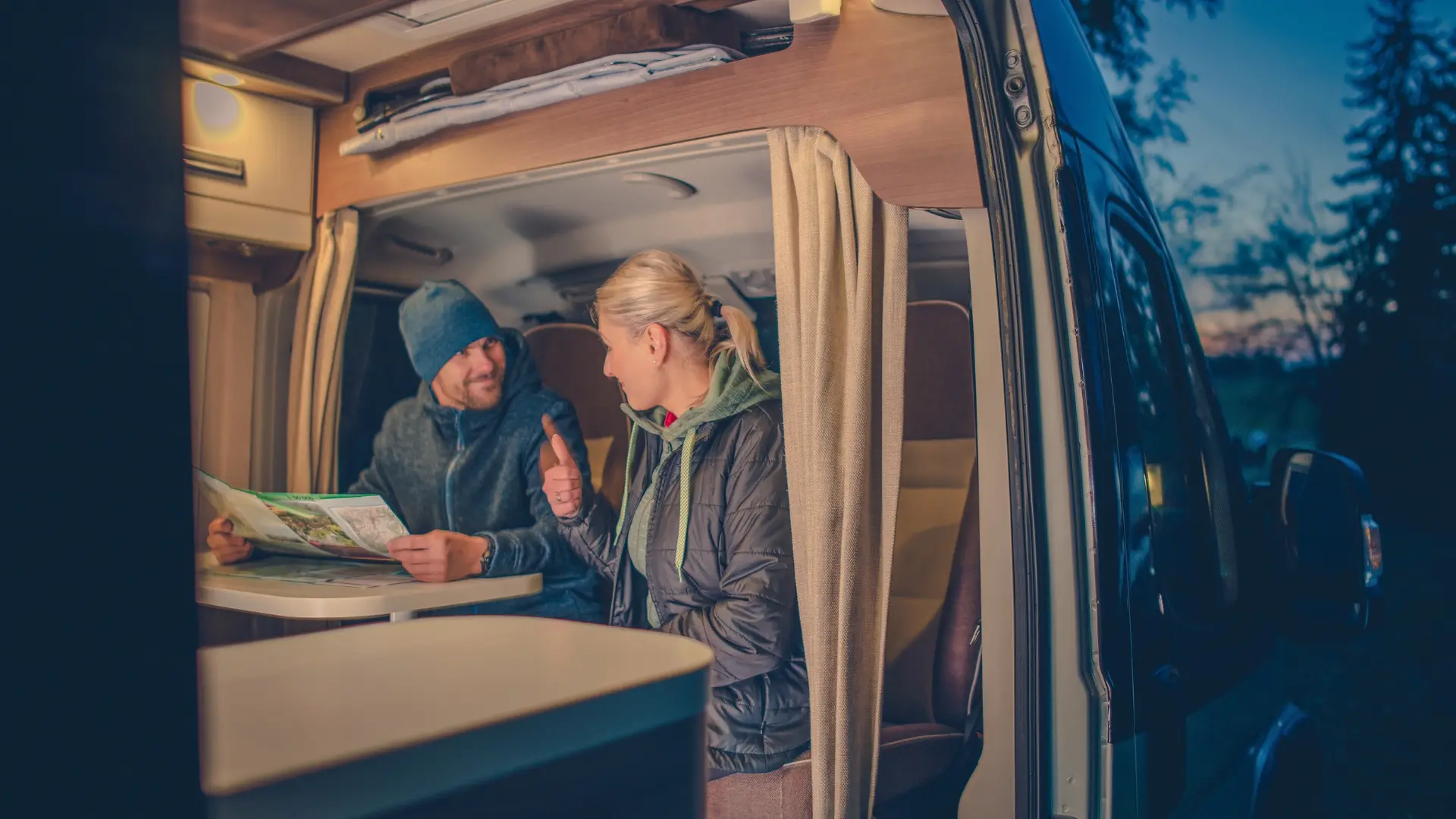
Ever set up camp on a warm evening, only to spend the rest of it swatting bugs instead of sitting back and relaxing? That’s usually when screen houses start to make sense. Not as fancy add-ons, but as simple shelters that give you a bit of breathing room once the tent is up.
Screen houses for camping aren’t about comfort in a luxury sense. They’re about having a place where you can cook, eat, or sit without constantly dealing with mosquitoes, flies, or sudden drizzle. For group trips, family camping, or longer stays, that extra covered space can quietly become the most used part of camp.
The tricky part is that not all screen houses work well outdoors. Some are great on paper but frustrating to set up. Others don’t hold up to wind, sag in the rain, or feel cramped once a few chairs go in. The best ones are the ones you stop thinking about once they’re up.
In this guide, we’re looking at the best screen houses for camping, focusing on models that are easy to use, practical at real campsites, and actually worth carrying along.
Top Picks of Screen Houses for Camping in 2026
Editor’s Pick – Alvantor® Screen House Gazebo
Best Lightweight- East Oak Screen House Tent Pop-Up
Best Affordable- Ouwxim 12×12 ft Camping Screen Tent
Table Comparison of Camping Screen Houses (2026)
| Rank | Product | Size / Capacity | Weight | Setup Type | Weather Use | Best For |
| 1 | East Oak Screen House Tent Pop-Up | 4–6 people | 23.4 lbs | Pop-up | Sun, light rain, light wind | Best overall camping use |
| 2 | Alvantor Pop Up Screen Tent House | 4–6 people | ~15 lbs | Pop-up | Sun, light wind (not rain-proof) | Best lightweight option |
| 3 | Screen House Tent 12×12 ft (DMH Outdoors) | Up to 10 people | 21.1 lbs | Pole setup | Sun, light wind | Best for families & groups |
| 4 | Ouwxim 12×12′ Camping Screen Tent | 8–10 people | 11.35 lbs | Pole setup | Sun, light rain | Large space with sides |
| 5 | EVER ADVANCED Magnetic Screen House | 6–8 people | 18 lbs | Pole setup | Sun, light wind | Easy access (kids & pets) |
| 6 | Alvantor® Screen House Gazebo | 4–6 people | 11.9 lbs | Auto pop-up | Sun only | Quick shade & bug protection |
| 7 | Werph Pop Up Screen Tent Canopy | 8–10 people | Not specified | Pop-up | Sun, light wind | Budget / casual use |
7 Best Screen Houses for Camping in 2026 (Reviewed)
1. East Oak Screen House Tent Pop-Up


The East Oak Screen House is designed for campers who want quick shelter from bugs without turning setup into a chore. As a pop-up screen tent, one person can get it standing in just a few minutes, which makes it especially handy for short stays, group trips, or backyard-style camping.
Once set up, it feels genuinely usable rather than cramped. The four-sided fine mesh keeps mosquitoes and flies out while still allowing good airflow, so it stays comfortable on warm evenings. The UPF 50+ coated fabric also adds welcome sun protection during the day, whether you’re at a campsite, picnic spot, or beach.
In terms of stability, it holds up well in light rain and moderate wind when properly secured with the included guylines, stakes, and sandbags. It’s not meant for rough weather, but for typical camping conditions, it feels dependable. Small touches like dual-sided zippers and a top hook for a lantern make day-to-night use more practical.
Packing it back down can take a little patience, especially at first, but that’s a common trade-off with pop-up tent designs.
Pros
- Very quick pop-up setup, manageable solo
- Excellent bug protection with good ventilation
- Roomy enough for chairs, tables, or small groups
- Holds up well in light rain and moderate wind
- Practical features like dual zippers and a lantern hook
Cons
- Folding it down takes practice
- Heavier than basic screen tents
- Not suitable for strong winds or stormy weather
2. Alvantor® Screen House Gazebo

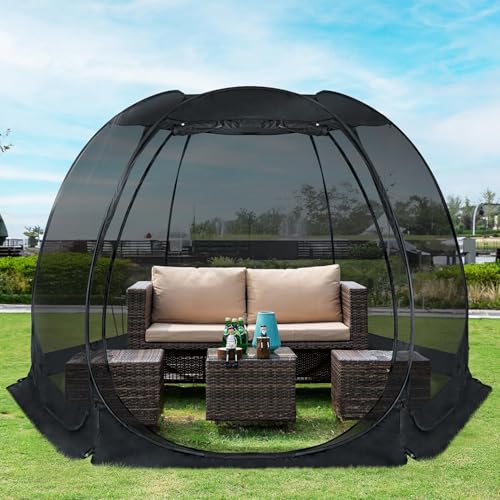
The Alvantor® Screen House Gazebo is built for campers who want the fastest possible setup with minimal weight. Its automatic pop-up fiberglass frame opens almost instantly, making it ideal for short stays, beach trips, backyard use, or situations where you want shelter without dealing with poles or complex instructions.
The four-sided mesh design provides excellent airflow while keeping insects out, and the UPF 50+ top fabric offers reliable sun protection during the day. With a 10×10 ft footprint and good headroom, it comfortably fits a small group, lawn chairs, or a table, though it’s better suited to relaxed setups than crowded camps.
Stability depends heavily on proper anchoring. When fully secured with the included sandbags, guylines, and stakes, it performs well in light to moderate wind. However, it’s not designed for exposed or gusty conditions, and some users note that it can feel less stable if not tied down carefully. Packing it away is quick, though folding it neatly takes a bit of practice.
Pros
- Extremely fast automatic pop-up setup
- Lightweight and easy to carry
- Excellent ventilation with full mesh walls
- Effective bug protection and UPF 50+ sun coverage
- Good accessory support (hooks, double-sided zippers)
Cons
- Stability depends heavily on proper anchoring
- Not suitable for strong winds or stormy weather
- Interior space may feel limited for larger groups
3. Screen House Tent 12x12ft Screen
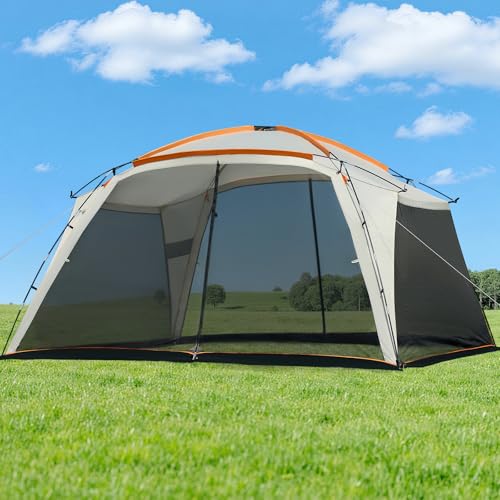
Screen House Tent 12x12ft Screen
Buy on AmazonThe DMH Outdoors 12×12 ft Screen House is built for campers who want space first. With nearly 144 square feet of covered area and an 84-inch center height, it feels more like a shared outdoor room than a basic bug shelter. It works especially well for family camping, group trips, or base camps where people are moving in and out throughout the day.
All-around mesh panels provide excellent airflow, which keeps the interior comfortable even when it’s warm. The solid top fabric adds sun protection, making it a good option for daytime use at campsites or long outdoor gatherings. Inside, thoughtful storage touches, side pockets, an overhead mesh loft, and a ceiling hook for a light help keep essentials organised and off the floor.
Tent Setup is where expectations matter. This isn’t a quick pop-up design. The cross-pole structure adds stability, but it’s best assembled with two people and a bit of patience. Once it’s up and properly guyed out, it feels stable for typical three-season camping conditions, though it’s not intended for heavy wind or storms.
Pros
- Very spacious 12×12 ft interior with tall center height
- Excellent ventilation from full mesh walls
- Good sun protection for daytime use
- Useful built-in storage and lantern hook
- Dual doors improve access for groups
Cons
- Setup takes longer and works best with two people
- Bulkier than pop-up screen houses
- Not designed for strong wind or harsh weather
Suggested Reads- How To Keep Bugs Away While Camping?
4. Ouwxim 12’x12′ Camping Screen Tent
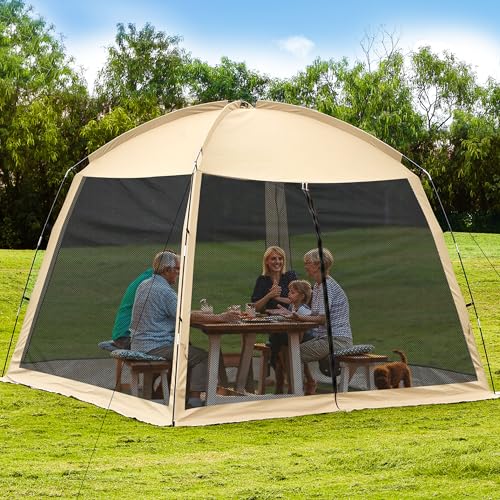
Ouwxim 12'x12' Camping Screen Tent
Buy on AmazonThe Ouwxim 12×12 ft Camping Screen Tent is built for campers who want a large, enclosed space without a complicated setup. With full mesh walls and added coverage, it’s one of the best screen houses for camping with sides. With enough room for up to eight people and a tall center height, it works well for family camping, group meals, or trips where the screen tent becomes the main hangout spot.
The four-sided mesh design provides strong airflow while keeping mosquitoes and small insects out, making it especially useful for bug-heavy campsites. The 210D Oxford fabric and included rainfly add a layer of weather protection, so light rain or strong sun doesn’t immediately send everyone back into their tents. Inside, the space feels open enough to fit a table, chairs, and gear without forcing people to squeeze past each other.
Setup is straightforward and manageable for first-time users, typically taking around 10–15 minutes. The fiberglass and steel pole combination gives it decent structure for typical camping conditions, and when packed down, it’s relatively easy to carry for a shelter of this size. While it’s marketed as four-season capable, it’s best suited to fair-weather camping rather than strong wind or heavy storms.
Pros
- Large 12×12 ft interior with good standing height
- Excellent ventilation with full mesh walls
- Keeps mosquitoes and small insects out effectively
- Includes rainfly for added sun and light rain protection
- Straightforward setup, even for beginners
Cons
- Not designed for strong wind or harsh weather
- A larger footprint needs a fairly open campsite
- Takes longer to set up than pop-up screen houses
5. EVER ADVANCED Magnetic Screen House

EVER ADVANCED Magnetic Screen House
Buy on AmazonThe EVER ADVANCED Magnetic Screen House is built for campers who want easy access and everyday comfort without complicating setup. Its standout feature is the pair of magnetic doors, which allow hands-free entry, useful when carrying food, gear, or when kids and pets are moving in and out.
Inside, the shelter feels open and comfortable thanks to its 11×9 ft footprint and tall 90-inch center height. Four-sided mesh provides strong airflow while keeping insects out, and the water-resistant, UPF 50+ top adds shade for daytime use. It’s a good fit for relaxed camping trips, picnics, or patio setups where you want a shaded, bug-free space rather than a heavy-duty structure.
Stability is solid for typical conditions when the tent is properly secured, but this is still a comfort-first screen house, not a storm shelter. It performs best in fair weather and light wind, where the magnetic doors and open layout really shine.
Pros
- Hands-free magnetic doors are convenient for families and pets
- Tall center height feels roomy and easy to move around in
- Good airflow with effective bug protection
- UPF 50+ top provides reliable sun coverage
- Versatile for camping, picnics, and patio use
Cons
- Not designed for strong wind or heavy rain
- Magnetic doors may need alignment over time
- Less rigid than heavier-framed screen houses
6. Alvantor Pop Up Screen Tent House

Alvantor Pop Up Screen Tent House
Buy on AmazonThe Alvantor Pop Up Screen Tent House is designed for campers and backyard users who want quick setup, lightweight, and flexible use across seasons. Its pop-up structure with automatic fiberglass ribs makes setup fast and stress-free, which is especially useful for short trips, casual camping, or outdoor gatherings where you don’t want to spend time dealing with poles.
Inside, it feels open enough for a small table and a couple of chairs, making it a comfortable spot for meals, relaxing, or keeping bugs away in the evening. The mesh panels combined with closable doors and windows allow airflow while adding a bit of privacy when needed. The UPF 50+ fabric top provides solid sun protection, which makes it practical for daytime use in backyards, campsites, or patios.
Stability is better than you’d expect for a pop-up shelter. With included sandbags, guylines, and stakes, it holds up well in light to moderate wind when properly secured. It’s important to note that this tent is not fully waterproof, so it’s best used in fair weather rather than rainy conditions. Packing it away is compact and travel-friendly, though folding it down can take a little practice.
Pros
- Very quick pop-up setup with minimal effort
- Lightweight and easy to transport for its size
- Good airflow with effective bug protection
- UPF 50+ sun protection for daytime use
- Stable in moderate wind when properly anchored
Cons
- Not designed for heavy rain or storms
- Folding it back down takes some practice
- Interior space suits small groups rather than large gatherings
7. Werph Pop Up Screen Tent Canopy

Werph Pop Up Screen Tent Canopy
Buy on AmazonThe Werph Pop Up Screen Tent Canopy is aimed at campers and backyard users who want fast setup and generous shade without dealing with a complicated frame. Its pop-up design opens almost instantly, making it useful for casual camping, patio gatherings, or day-long outdoor events where convenience matters more than heavy-duty performance.
With a 12×12 ft footprint and tall center height, it offers plenty of covered space for chairs, a table, or a small group to move around comfortably. The six-sided fine mesh provides 360° ventilation while keeping insects out, and the fabric offers solid sun protection for daytime use. Practical extras like a top hook for a lantern and attachment points for light strips make it easy to use from day into the evening.
In terms of stability, it performs well for light to moderate conditions when properly anchored. Some users note mixed experiences with long-term durability, particularly around pole stress points, so it’s best treated as a comfort-focused shelter rather than something to leave up in rough weather. For quick outings and relaxed use, though, it does its job well.
Pros
- Very fast pop-up setup with minimal effort
- Large 12×12 ft shaded area
- Good airflow with effective bug protection
- Useful features like lantern hook and light attachment points
- Easy to pack and carry for its size
Cons
- Durability can vary with frequent or rough use
- Not ideal for strong winds or extended bad weather
- Stability depends on proper anchoring
Why Screen Houses Change the Way Camp Feels
A screen house doesn’t change where you camp, but it changes how you spend time there. Once the tents are up, camp usually breaks into small moments: cooking, eating, sitting around, waiting out bugs or weather. A screen house gives those moments a place of their own, instead of everything happening half inside a tent or awkwardly around a picnic table.
The biggest shift is mental. When you’re not constantly swatting mosquitoes or rushing food before bugs show up, camp feels slower and more settled. You linger longer over meals, sit and talk instead of retreating into tents, and use the space as a shared center rather than just passing through it. Even on trips where the weather turns or evenings get cool, having a covered, bug-free area keeps camp feeling usable.
Screen houses also blur the line between inside and outside. You still hear the wind, see the trees, and feel part of the campsite, but with just enough separation to stay comfortable. That balance, being outdoors without being exposed, is why screen houses quietly become the most-used piece of gear on many camping trips, even more than expected.
What Matters When Choosing a Screen House for Camping
When you’re picking a screen house for camping, it’s less about bells and whistles and more about how it actually performs once you’re out there. This is the same mindset people use when narrowing down the best screen houses for camping, focusing on real comfort rather than how a shelter looks in photos.
Size and Usable Space
The first thing most people notice is the footprint and height. Some campers specifically look for a screen house tent with a floor, while others prefer open-bottom designs that sit over picnic tables or ground mats. A bigger floor area lets you put chairs and a table inside without feeling cramped, and taller headroom means you can stand up and move around comfortably.
Ease of Setup and Pack-Down
Pop-up screen houses are popular because they reduce hassle, especially when you arrive tired or want to break camp quickly. Other designs may take a bit of coordination, which isn’t a bad thing if they offer better stability. The key question is: can you set it up confidently in the conditions you’re heading into?
Ventilation, Mesh Quality, and Shade
Good airflow keeps the interior comfortable on warm days, and fine mesh keeps even small biting insects out. Protection from the sun, often expressed as UPF rating on the fabric, is another practical factor, especially on long summer days.
Stability and Weather Limits
Screen houses aren’t designed to be storm shelters, but how they handle light wind and sun matters. Stronger frames, quality guy lines, and included stakes all help the shelter stay where you put it. Knowing the expected weather for your trip can help you choose a model suited to that, rather than one that looks good on the spec sheet.
Ultimately, a screen house that feels right on your first few uses, is easy to put up, breathable, and sturdy enough for normal conditions, is far more valuable than one that looks impressive but doesn’t hold up when you really need it.
How These Screen Houses Were Chosen
These screen houses were selected with real campsite use in mind, not just specifications or marketing claims. The focus was on how each one performs once it’s set up, whether it makes camp feel easier, more comfortable, and less interrupted by bugs or weather.
Priority was given to models that balance usable space, airflow, and ease of setup. Screen houses that are straightforward to pitch, offer good ventilation, and feel practical with chairs and a table inside stood out over options that looked impressive but were awkward to use.
Stability in normal camping conditions also mattered. While none of these shelters are meant for severe weather, the ones that handle light wind, sun, and everyday wear more confidently earned their place in this list.
How These Screen Houses Were Chosen
These screen houses were selected after reviewing hundreds of verified customer reviews across multiple platforms, focusing on how each model performs in real camping and outdoor settings. We paid close attention to repeated feedback around setup time, bug protection, space, wind handling, and overall day-to-day usability.
Alongside review analysis, a few of these screen houses were also ground-tested by our team in typical camping and backyard conditions. This helped us better understand setup quirks, space usage, and comfort, especially the things that don’t always show up clearly in product descriptions.
Rather than lab-style testing, this guide is built around real-world experience, what consistently works, what causes frustration, and which screen houses people actually enjoy using over time.
Conclusion
A good screen house doesn’t try to steal attention from the rest of your setup. It simply makes camp easier to live in, which is ultimately what separates the Best Screen Houses for Camping from options that look good but don’t get used. When bugs show up, the sun gets harsh, or evenings stretch longer than planned, having a comfortable, covered space changes how you use the campsite.
The screen houses in this list were chosen because they work well in real situations, set up without too much effort, offer usable space, and hold up to typical camping conditions. Some are better for quick trips, others suit longer stays or group camping, but all of them solve the same basic problem: creating a place where people can actually relax outdoors.
In the end, the best screen house is the one that fits your style of camping. If it helps you sit a little longer, eat without rushing, and enjoy camp instead of working around it, it’s doing exactly what it’s meant to do.
Frequently Asked Questions
Are screen houses worth bringing on camping trips?
Yes, especially if bugs, sun, or light rain tend to cut your evenings short. A screen house creates a shared, comfortable space where you can cook, eat, or sit without retreating into tents. For group or family camping, it often becomes the most-used part of camp.
What size screen house should I choose for camping?
That depends on how you camp. For couples or short trips, smaller pop-up models work well. For families or group camping, a larger 10×10 ft or 12×12 ft screen house gives enough room for chairs, a table, and easy movement without feeling cramped.
Can screen houses handle wind and rain?
Most screen houses are designed for fair-weather use. They handle sun, bugs, and light rain well when properly anchored, but they are not meant for strong winds or storms. Always use guylines and stakes, and take the shelter down if weather conditions worsen.
Are pop-up screen houses better than pole-style ones?
Pop-up screen houses are quicker and easier to set up, making them great for short stays or casual trips. Pole-style screen houses usually take longer to assemble but can feel more stable and spacious once set up. The better option depends on whether convenience or structure matters more to you.
Do screen houses keep all insects out?
They significantly reduce mosquitoes, flies, and most biting insects thanks to fine mesh walls. However, very small bugs can still get in occasionally, especially if doors are left open or the mesh is stretched.
Can screen houses be used outside camping?
Yes. Many people use them for patios, backyards, picnics, beach outings, or outdoor gatherings. Their versatility is one reason they’re popular beyond just camping trips.