
There are few things more frustrating than finally setting up camp, especially after a long drive or hike, and realizing your tent isn’t as waterproof as you thought. A small leak doesn’t just mean getting wet; it can ruin sleep, soak your gear, and turn a good trip into something you just want to end early.
In fact, the problem of finding a reliable spot is growing almost as fast as the demand for camping itself. According to The Dyrt’s 2025 Camping Report, over 81 million Americans went camping in 2024, but a staggering 56.1% reported difficulty booking a campsite. When you finally snag that perfect, hard-to-find location, you need to know your gear, especially your tent, is going to perform. Don’t let a leaky, non-waterproof tent be the reason your adventure is cut short.
To put this guide together, we focused on what tends to work in real camping conditions, and what campers often realize too late, after their tent has already started leaking. The result? A complete guide to the best tent waterproofing sprays for 2026, plus a few smart add-ons when leaks come from seams or floors.
Top 3 Quick Picks for the Best Tent Waterproofing Sprays
Editor’s Pick: Nikwax TX.Direct Spray-On Waterproofing
Best overall balance of water protection and breathability for modern tents.
Best Spray Kit: Gear AID Tent Waterproofing Spray Kits for Nylon Tents
Ideal when you need more than a spray and want to address seams, floors, and fabric together.
Best Value: KIWI Camp Dry Heavy Duty Water Repellent
A solid choice for strong water resistance at a lower price, if you’re okay with a heavier-duty spray.
8 Best Tent Waterproofing Sprays Comparison (2026)
If breathability matters, start with Nikwax or Scotchgard. If heavy rain is your main concern, silicone-based sprays like KIWI or Atsko hold up better.
| Product | Type | When to Use | Fabric Type | Breathability | Reapplication |
| Nikwax TX.Direct Spray-On Waterproofing | Water-based spray | Regular tent waterproofing | Synthetic fabrics | High | After heavy use |
| Gear AID Tent Waterproofing Spray Kits for Nylon Tents | Spray + sealants | Fixing seams, floors & fabric | Nylon, breathable fabrics | Medium–High | As needed (spot repairs) |
| KIWI Camp Dry Heavy Duty Water Repellent | Silicone spray | Maximum water resistance | Fabric, leather | Medium | Less frequent |
| 303 Marine Fabric Guard | Fabric spray | UV + water protection | Natural & synthetic fabrics | Medium | Infrequent |
| Scotchgard Outdoor Water Shield Fabric Spray | Fabric spray | Seasonal waterproofing | Nylon, polyester, canvas | High | Seasonal |
| Atsko Silicone Water-Guard | Silicone spray | Harsh rain & sun exposure | Synthetic fabrics | Low–Medium | Infrequent |
| simprax® Tent Waterproofing Spray | Eco-friendly spray | Light use & touch-ups | Natural & synthetic fibers | Medium | More frequent |
| Star Brite Waterproofing Spray | Marine-grade spray | Extended wet conditions | Synthetic, canvas | Low–Medium | Infrequent |
Some tents fail at seams or floors, where sprays alone don’t help, which is why one spray-based kit is included alongside standard sprays.
8 Best Tent Waterproofing Sprays of 2026 (Reviewed)
1. Nikwax TX.Direct Spray-On Waterproofing


The Nikwax TX.Direct Spray-On earned top marks for its eco-friendly formula and effectiveness on breathable fabrics. This water-based treatment restores the durable water repellent (DWR) coating on tent rainflies and other outdoor gear without compromising breathability.
Unlike many options marketed as the best waterproof tent spray, TX. Direct maintains your tent’s ability to breathe while still repelling water. It’s particularly effective on synthetic fabrics and works well as a refresh treatment for tents that are starting to wet out but aren’t severely damaged.
Application is straightforward, which makes it a solid choice if you’re searching for the best tent waterproofing spray without a complicated process. Many users appreciate that it doesn’t leave a tacky residue and doesn’t affect the fabric’s color or texture. However, it requires clean fabric to work effectively, so you’ll need to wash your tent first.
Pros:
- Maintains fabric breathability
- Eco-friendly, water-based formula
- Available in spray and wash-in versions
- Doesn’t change fabric appearance
- Good coverage per bottle
Cons:
- Requires clean fabric, skipping this step is one of the easiest ways to waste the product.
- May need reapplication after heavy use
- Higher price point than basic sprays
Who this is best for:
Campers with breathable or lightweight tents who want water protection without sacrificing airflow.
2. Gear AID Tent Waterproofing Spray Kits for Nylon Tents

Gear AID Tent Waterproofing Spray Kits for Nylon Tents
Buy on AmazonIf your tent is leaking in more than one place, this Gear AID kit feels more practical than relying on a single spray and hoping it fixes everything. Instead of just coating the rainfly, it lets you deal with seams, floors, and fabric in one go, which is often where tents actually fail.
The kit includes Revivex Instant Water Repellent, a fast-drying, silicone-free tent waterproofing spray that works well on nylon tents and other waterproof-breathable fabrics. It’s easy to apply and doesn’t leave the fabric stiff, which is important if you’re trying to maintain airflow and avoid condensation. For campers looking for the best tent waterproofing spray that won’t turn their tent into a plastic shell, this part works well.
Where this kit really helps is the added sealants. Seam Grip FC handles leaky seams, while Seam Grip TF restores worn tent floors or rainflies with a fresh PU coating. If you’ve ever sprayed a tent only to have water creep in from the seams or ground, this setup makes more sense than using the best waterproof tent spray alone.
It’s not perfect. The spray can feels small, and this works best as maintenance or targeted repair, not a full rescue for a badly worn tent. Used correctly, though, it’s a solid option for campers who want to fix leaks properly.
Pros
- Combines spray, seam sealing, and floor protection
- Fast curing (under 4 hours for sealants)
- Silicone-free, breathable spray
Cons
- Spray size is limited
- Not ideal for heavily damaged tents
Who this is best for:
Campers dealing with seam, floor, and rainfly leaks who want a more complete fix than a basic spray.
3. KIWI Camp Dry Water Repellent


KIWI Camp Dry is one of those old-school products a lot of campers turn to when they want serious water resistance and don’t mind a heavier-duty solution. It uses a silicone-based formula that bonds tightly to fabric and leather, creating a tough barrier that does a good job of keeping water out during sustained rain.
For tents and tarps, this works best when you need strong protection rather than finesse. Once it dries, the material stays odor-free, and water beads off instead of soaking in. It’s also versatile, people often use the same can on boots, hunting gear, and even boat covers, which makes it handy if you’re treating more than just a tent.
That strength does come with trade-offs. The smell during application can be strong, and it’s not something you want to spray indoors. Some campers also notice discoloration on certain fabrics, especially lighter or non-white materials, so testing a small area first is a smart move. While it allows fabric to breathe, it’s still heavier than most water-based options.
Overall, this isn’t the most subtle tent waterproofing spray, but if you want a best waterproofing spray for tents that prioritizes water resistance over everything else, it gets the job done.
Pros
- Strong silicone-based water barrier
- Works well in heavy rain
- Good for tents, tarps, boots, and gear
Cons
- Strong odor during application
- May cause fabric discoloration
- Heavier feel than water-based sprays
Who this is best for
Campers who want maximum water repellency and don’t mind a tougher, more industrial-style solution.
4. 303 Marine Fabric Guard

303 Marine Fabric Guard
Buy on AmazonThe 303 Marine Fabric Guard is a highly-rated product specifically designed to restore water and stain repellency to a factory-new level, making it perfect for tents, awnings, and other outdoor fabrics. Originally created for the demanding marine environment, this product offers superior UV protection, which is crucial for extending the life of your tent’s fabric.
It creates a powerful barrier that repels water and prevents stains from oil, grease, and dirt. It’s safe for use on all types of natural and synthetic outdoor fabrics, and importantly, it does not alter the color or feel of the material. Applying it is a simple spray-on process, and it works to keep fabric soft and pliable.
Campers choose 303 for its long-lasting performance and its ability to keep colors vibrant due to the integrated UV protection. It represents a premium solution for maintaining high-quality gear.
Pros:
- Restores factory-level water and stain repellency
- Provides superior UV protection
- Safe for all natural and synthetic fabrics
- Does not change color or texture
- Marine-grade, long-lasting durability
Cons:
- Premium price point
- Requires complete drying/curing time
- Best applied in a well-ventilated area
5. Scotchgard Outdoor Water Shield Fabric Spray

Scotchgard Outdoor Water Shield Fabric Spray
Buy on AmazonScotchgard Outdoor Water Shield is one of those sprays many campers already have lying around because it works on almost everything. From tents and tarps to backpacks, rain jackets, and even patio furniture, it’s a versatile tent waterproofing spray that’s easy to use and dries quickly.
One of its biggest strengths is breathability. Unlike heavier silicone sprays, this one doesn’t make fabric feel stiff or sealed shut, which helps reduce that clammy feeling inside the tent. It also dries odorless, so you’re not stuck airing out your gear for days after application. For campers who want a simple, low-maintenance option, this makes it appealing as a best waterproofing spray for tents used in mild to moderate rain.
Coverage depends on fabric weight. A single can goes farther on lightweight nylon than on heavier materials, so larger tents may need more than one can. Some campers report solid water resistance, while others notice water slowly seeping through during prolonged or heavy rain. Because of that, it works better as seasonal protection rather than a heavy-duty fix.
Overall, this is a straightforward best tent waterproofing spray if ease of use and fabric compatibility matter more than extreme weather performance.
Pros
- Easy to apply and dries quickly
- Odorless once dry
- Maintains fabric breathability
- Works on many fabric types
Cons
- Coverage is limited on heavier fabrics
- May not hold up in sustained heavy rain
- Results vary by tent and conditions
Who this is best for
Casual campers who want an easy, breathable spray for light to moderate rain rather than extreme conditions.
6. Atsko Silicone Water-Guard
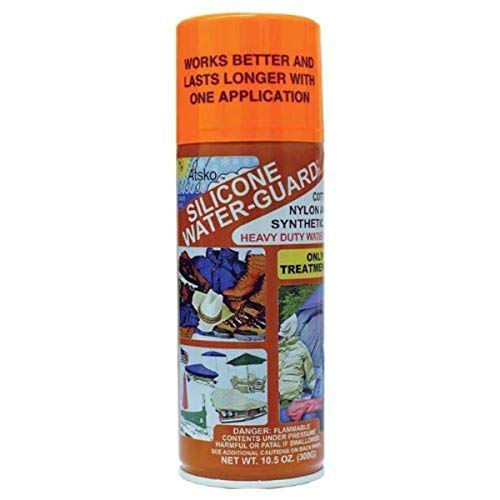
Atsko Silicone Water-Guard
Buy on AmazonAtsko Silicone Water-Guard offers professional-grade waterproofing that’s trusted by military and outdoor professionals. This concentrated formula provides maximum water repellency and UV protection, making it ideal for tents exposed to harsh sun and frequent rain.
The concentrated nature means a little goes a long way, making it cost-effective despite the higher upfront price. It creates a durable barrier that maintains effectiveness through multiple seasons of use. The UV protection helps prevent fabric degradation, extending your tent’s lifespan.
Users report excellent beading action and long-lasting protection even in heavy rain. It’s particularly effective on synthetic fabrics and works well for restoring severely compromised waterproofing. The main consideration is proper ventilation during application due to the strong formulation.
Pros:
- Professional-grade protection
- Concentrated formula goes far
- Includes UV protection
- Long-lasting effectiveness
- Trusted by professionals
Cons:
- Requires good ventilation for application
- May stiffen fabric slightly
- Higher cost per bottle
7. simprax® Tent Waterproofing Spray
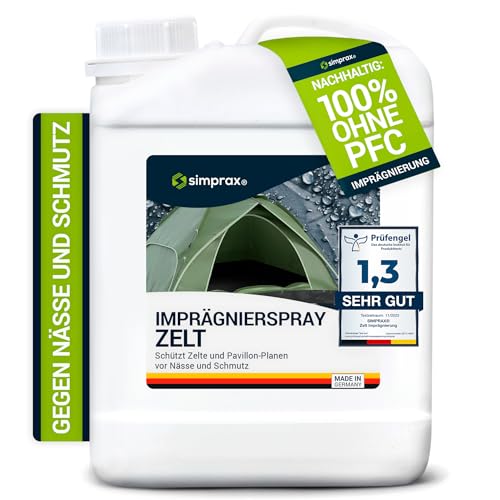
simprax® Tent Waterproofing Spray
Buy on AmazonFor budget-conscious and environmentally aware campers, the simprax® Tent Waterproofing Spray offers solid performance with a strong focus on sustainability. This spray is Certified Eco-Friendly, UV-Stable, and Biodegradable, making it an excellent value pick that doesn’t sacrifice performance for price.
The formula provides an effective water-repellent coating that is safe for both synthetic and natural fibers. Its UV-stable properties help protect the tent’s fabric from sun damage, extending the overall lifespan of your gear. Application is quick and easy, making it convenient for last-minute waterproofing needs or seasonal touch-ups.
This product is a favorite for those who want a reliable, simple treatment without the strong chemical odors or environmental concerns associated with traditional heavy-duty sprays.
Pros:
- Certified Eco-Friendly and Biodegradable
- UV-Stable protection
- Great performance for the price
- Simple and quick application
- Lacks strong chemical odor
Cons:
- May require reapplication after extended heavy use
- Coverage may be less dense than premium formulations
Suggested Reads- What To Do When It Rains While Camping (10 Tips)?
8. Star Brite Waterproofing Spray

Star Brite Waterproofing Spray
Buy on AmazonStar Brite brings marine-grade waterproofing technology to camping gear. Originally designed for boat covers and marine fabrics, this spray offers exceptional water repellency that stands up to continuous exposure to moisture.
The marine heritage shows in its performance during extended wet weather. It creates a strong barrier that maintains effectiveness even when tents are packed wet or stored in humid conditions. The formula is designed to withstand UV exposure and temperature extremes common in marine environments.
Campers who use their tents frequently or in challenging conditions often prefer Star Brite for its reliability. It works well on both synthetic and canvas materials, though it’s particularly effective on heavy-duty fabrics. The protection lasts longer than many competitors, reducing the need for frequent reapplication.
Pros:
- Marine-grade durability
- Excellent in wet conditions
- UV and temperature resistant
- Long-lasting protection
- Works on heavy-duty fabrics
Cons:
- May be overkill for casual camping
- Slightly higher price
- Can affect the breathability of lightweight fabrics
How to Choose the Right Tent Waterproofing Product
Know Your Tent Fabric Before Buying Anything
Before selecting what you think might be the best tent waterproofing spray, you need to know your tent’s fabric composition. Most modern tents use either polyurethane-coated nylon, silicone-treated nylon, or canvas. Polyurethane-coated tents work with most standard sealers, while silicone-treated fabrics require specialized products like Seam Grip SIL.
Start by figuring out what’s actually failing: seams, fabric, or both.
New tents typically just need seam sealing, while older tents may require coating restoration or complete re-waterproofing. If your tent’s coating is flaking or becoming sticky, you’ll need a product like GEAR AID TF specifically designed for coating restoration.
Consider Your Usage Patterns
Casual weekend campers can often get by with affordable spray-on treatments, while frequent campers usually benefit from investing in the best tent waterproofer for their conditions. Heavy-duty products are worth the extra cost if you camp in challenging conditions.
Think About Breathability Needs
If your tent relies on breathability for comfort, choose products that maintain vapor permeability. Eco-friendly, water-based formulas typically preserve breathability better than heavy silicone-based treatments.
Common Tent Waterproofing Mistakes to Avoid
Even the best tent waterproofing spray won’t help much if it’s used the wrong way. These are the mistakes that cause most “this product didn’t work” complaints, and they’re easy to avoid once you know what to look for.
Applying waterproofing to dirty or damp fabric
Waterproofing products need a clean, dry surface to bond properly. Dirt, dust, or moisture can prevent the coating from sticking, which usually leads to patchy protection or early failure.
Using silicone sprays on breathable or ultralight tents
Heavy silicone-based sprays create a strong barrier, but they can reduce breathability on lightweight tents. That often leads to condensation issues, even if the rain stays out.
Skipping seam sealing on brand new tents
Many new tents are marketed as “waterproof,” but factory seam sealing is often minimal. Ignoring the seams is one of the fastest ways to end up with leaks during your first real rainstorm.
Packing or storing the tent before the product fully cures
If waterproofing hasn’t fully dried or cured, packing the tent can cause the coating to transfer, stick, or peel. This shortens the lifespan of the treatment and wastes the effort you just put in.
Using sprays to fix rips or holes
Waterproofing sprays are meant for fabric, not damage. If there’s a tear or puncture, you’ll need a repair solution like tape or a patch before any spray will make a difference.
Conclusion
If your tent is newer and only needs light protection, a breathable spray is usually enough. Older tents with seam or floor leaks often need more than just spraying the fabric.
Keeping your tent dry doesn’t have to be complicated, but using the wrong product can quickly make it frustrating. Whether you need basic seam sealing for a new tent or complete restoration for an old favorite, choosing the right waterproofing spray can extend your tent’s life and keep you dry on every adventure.
From budget-friendly sprays to professional-grade sealers, each product in this guide serves specific needs. Match the product to your tent’s fabric and how you camp, and you’ll avoid most of the waterproofing mistakes people make when choosing the best waterproofing spray for tents and save yourself a lot of frustration down the line. With proper waterproofing, you can focus on enjoying the outdoors instead of worrying about staying dry.
Frequently Asked Questions
How often should I waterproof my tent?
For most tents, a fresh waterproofing every 1–2 years is enough, sooner if you camp often or notice water soaking in instead of beading up. Heavy use or storage in humid conditions may require more frequent treatment.
Can I waterproof a tent while it’s wet?
No, most waterproofing products require clean, dry fabric for proper adhesion. Always clean your tent thoroughly and let it dry completely before applying any waterproofing treatment.
What’s the difference between seam sealing and waterproofing spray?
Seam sealing specifically targets the needle holes where fabric pieces are sewn together, while waterproofing spray treats the entire fabric surface. Most tents need both treatments for complete protection.
How long does tent waterproofing last?
Quality waterproofing treatments typically last 1-3 years depending on use, UV exposure, and weather conditions. Premium products generally last longer than budget options, making them more cost-effective over time.
Should I waterproof a brand-new tent?
Yes, most new tents benefit from seam sealing even if they come “waterproof.” Factory sealing is often minimal, and additional treatment ensures reliable protection from the first use.