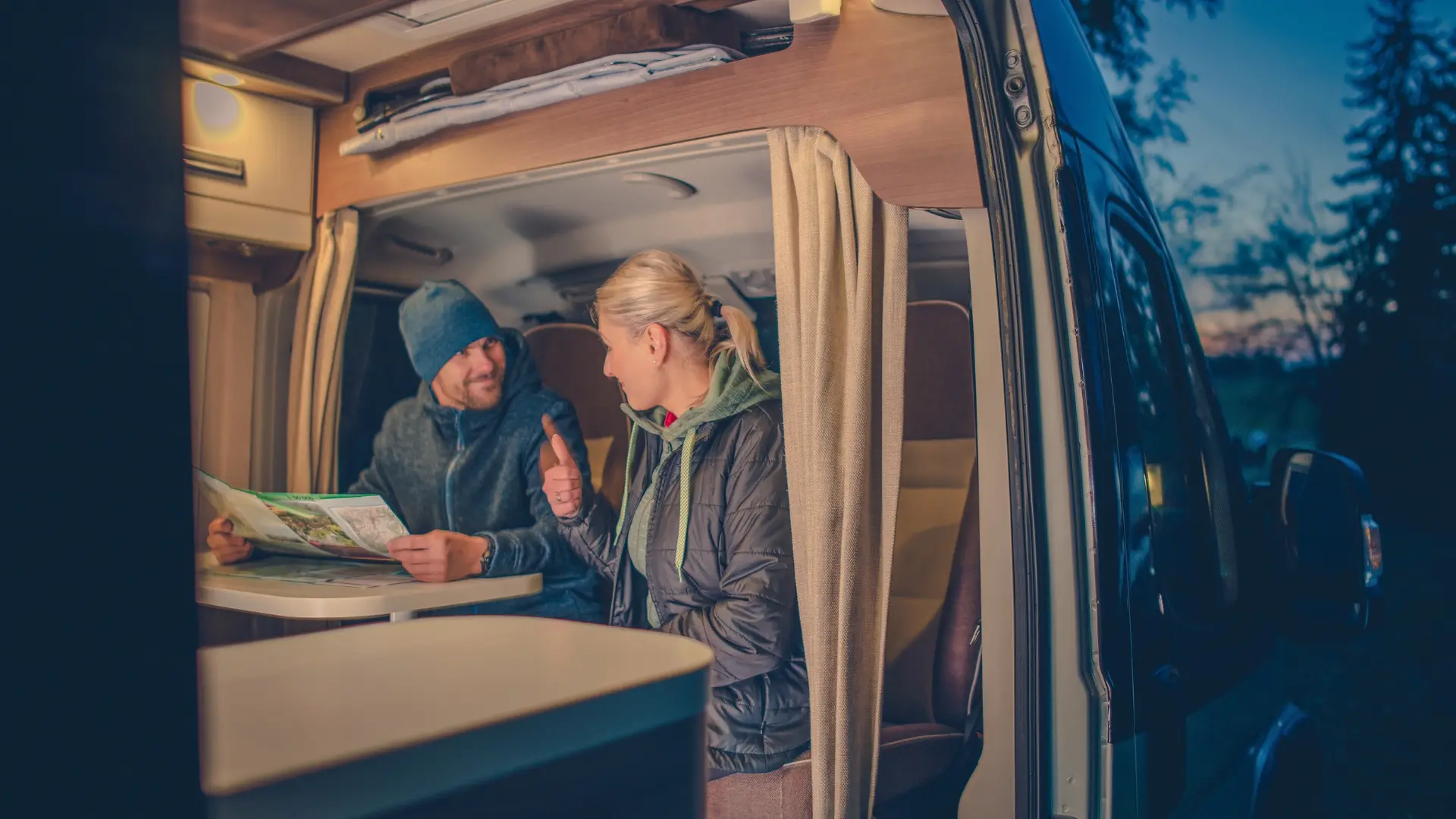
Ever wondered why you feel so refreshed after a weekend camping trip? It’s not just the time off work. Something about sleeping outdoors, slowing down, and living by daylight changes how your body and mind feel.
Campers have felt this for years, and research now backs it up. A study from Sheffield Hallam University found that 97% of campers say happiness is their main reason for heading outdoors, and nearly half report feeling happy almost every day, far more than non-campers. Camping isn’t just a break from routine; it’s a reset for your body and mind.
Whether you’re pitching a tent for the first time or you’re a seasoned outdoor enthusiast, understanding why camping is good for you can make your next trip even more meaningful. From better sleep to lower stress levels, the health benefits of camping are backed by real science and felt by millions of campers worldwide. If you’re planning your first adventure, check out our beginner’s guide on how to plan a camping trip. Let’s dive it.
10 Health Benefits of Camping You’ll Actually Feel
1. Reduced Stress and Lower Cortisol Levels
One of the most immediate camping benefits is stress relief. When you’re surrounded by nature instead of traffic and constant notifications, your body responds in powerful ways. Research shows that spending just 20 minutes in natural environments can lower cortisol levels, the hormone your body produces when you’re stressed.
The calming sounds around you, rustling leaves, flowing water, birdsong, work like natural therapy. Your nervous system gets a break from the fight-or-flight mode that city living keeps it stuck in. Many campers notice they feel more relaxed within hours of arriving at their campsite, and that calm feeling often lasts for days after returning home.
2. Improved Sleep Quality and Natural Sleep Cycles
If you’ve ever slept better in a tent than in your own bed, you’re not imagining it. Camping naturally resets your sleep in a way modern life often disrupts.
Without screens and artificial lighting, your body follows daylight again. You feel sleepy when it gets dark and wake up naturally with the sun. After a full day outdoors, sleep comes easier and feels deeper. Many campers notice that even after they return home, falling asleep stays easier for a few days.
Exposure to natural sunlight during the day and darkness at night helps regulate melatonin production, making it easier to fall asleep and stay asleep. The fresh air and physical activity during the day also contribute to deeper, more restorative rest. Studies have found that people who camp regularly report better sleep patterns even after they return home, especially if they continue waking with natural light.
3. Increased Physical Activity Without the Gym
Camping keeps you active without ever feeling like exercise. You’re not counting steps or forcing a workout, you’re just moving because that’s part of camp life.
Pitching a tent, walking around the campsite, hiking to a viewpoint, or gathering firewood all add up. By the end of the day, your body feels tired in a good way. That’s one of the underrated health benefits of camping: you move more without trying to.
Unlike a treadmill, outdoor activities don’t feel like a chore. You’re exploring, having fun, and getting stronger at the same time. Research from Utah State University found that physical activity in natural settings enhances psychological health more than the same exercise done indoors. Whether you’re canoeing, fishing, or climbing rocks, you’re building cardiovascular health and endurance without even thinking about it.
4. Better Mental Health and Reduced Anxiety
Camping gives your mind something it rarely gets at home: space. Space to think, or sometimes, space to not think at all.
Without constant reminders of deadlines and responsibilities, your thoughts slow down. Problems that felt overwhelming start to feel manageable. Many campers come home feeling mentally clearer, not because life changed, but because their perspective did.
Nature provides mental breathing room. Without the constant buzz of notifications and obligations, your brain gets space to process emotions and reset. Many people describe feeling mentally clearer after camping, with improved focus and a better perspective on problems that seemed overwhelming before the trip.
5. Boost in Vitamin D from Natural Sunlight
Getting outdoors means soaking up natural sunlight, which is essential for vitamin D production. This nutrient is crucial for bone health, immune function, and mood regulation. Many people are vitamin D deficient, especially those who work indoors all day.
Camping gives you extended exposure to sunshine in a healthy way. Morning sun is particularly beneficial, helping your body produce the vitamin D it needs while also supporting better sleep patterns. Just remember to use sunscreen during peak hours to protect your skin while still enjoying the camping benefits.
6. Enhanced Mood and Increased Happiness
Camping has a simple way of lifting your mood. You wake up with daylight, breathe cleaner air, and spend more time moving and talking than scrolling.
That combination naturally boosts your mood. Campers often describe feeling happier and more content during a trip, even when things aren’t perfect. It’s not about luxury, it’s about how simple life feels when you’re outdoors.
The simplicity of camp life also plays a role. When you’re focused on basic needs like building a fire, cooking a meal, or finding the perfect campsite, everyday worries fade into the background. This shift in focus away from stressors contributes to improved emotional well-being that lasts well beyond your camping trip.
7. Improved Focus and Cognitive Function
After a couple of days camping, many people notice their mind feels sharper. It’s easier to focus, think clearly, and solve small problems without feeling overwhelmed.
Stepping away from constant screen time gives your brain a chance to rest. Without nonstop input, your attention naturally improves. Camping acts like a mental reset, helping you return home feeling more focused and refreshed.
The digital detox that comes with camping plays a big role here. Without constant screen time and notifications, your brain gets a chance to rest and reboot. Many campers report returning home with better problem-solving abilities and creative thinking. It’s like giving your mind a tune-up just by being outdoors.
8. Stronger Social Connections and Relationships
Time feels different when you’re camping with other people. Phones stay away, conversations slow down, and there’s no rush to be anywhere else.
Sharing simple tasks, setting up camp, cooking, sitting around the fire—builds a quiet kind of connection. These moments often lead to deeper conversations and memories that stick long after the trip ends.
Working together to set up camp, cook meals, and explore trails naturally builds teamwork and strengthens bonds. Conversations around the campfire tend to go deeper than everyday small talk. The study from Sheffield Hallam University found that 88% of campers are motivated to go camping to take time out and reconnect, and those shared experiences create lasting memories.
9. Mindfulness and Living in the Moment
Camping naturally pulls you into the present moment. Whether you’re watching a sunset, listening to the rain on your tent, or warming your hands by a fire, your attention stays right where you are.
You’re not rushing or multitasking. You’re just there. That simple shift is one of the most calming health benefits of camping and something many people don’t realize they’ve been missing.
This present-moment awareness is one of the key health benefits of camping that affects both mental and physical well-being. Mindfulness has been shown to reduce anxiety, improve emotional regulation, and enhance overall life satisfaction. The unstructured time camping provides lets you relax and enjoy life at your own pace, which is rare in our scheduled, hurried daily routines.
10. Fresh Air and Better Respiratory Health
One thing you notice quickly while camping is how good it feels to breathe deeply again. Away from traffic and pollution, the air feels cleaner and lighter.
Breathing better-quality air gives your body more oxygen and energy. It’s a subtle change, but one that many campers feel within the first day of being outdoors.
Increased oxygen intake improves cardiovascular function and gives you more energy. It also enhances your overall sense of well-being, that feeling of being able to breathe deeply and fully. For people with respiratory conditions or those who live in polluted cities, the camping benefits to lung health can be particularly noticeable and refreshing.
How to Get Started with Camping
If you’re new to camping, you don’t need to plan an extreme wilderness expedition right away. Start small, try a campground close to home, or even set up a tent in your backyard. Local and state parks offer great beginner-friendly options with amenities like bathrooms and potable water.
As you get more comfortable, you can explore different types of camping: car camping, backpacking, glamping, or even RV camping. The key is to start experiencing these health benefits of camping in whatever way feels manageable to you. Every trip will build your confidence and skills for the next adventure.
Frequently Asked Questions
Is camping actually good for your health?
Yes, camping provides real, measurable health benefits. Research shows it reduces stress hormones, improves sleep quality, increases physical activity, and enhances mental well-being. Studies have found that campers report higher happiness levels, better mood, and improved cognitive function compared to people who don’t spend time outdoors.
How does camping improve mental health?
Camping improves mental health by reducing cortisol (stress hormone) levels, increasing serotonin production, and providing a digital detox. The combination of nature exposure, physical activity, and unplugging from daily stressors helps reduce anxiety and depression symptoms. Regular campers show significantly higher rates of optimal mental health compared to non-campers.
What are the physical benefits of camping?
Physical camping benefits include increased cardiovascular fitness from hiking and outdoor activities, better sleep quality from natural light exposure, improved respiratory health from fresh air, and increased vitamin D production from sunlight. The physical demands of setting up camp and exploring nature provide meaningful exercise that doesn’t feel like work.
How long do you need to camp to see health benefits?
You can experience stress reduction and improved mood in as little as 20 minutes in nature. However, overnight camping provides the most significant benefits, especially for sleep cycle regulation and deeper stress relief. Even a single weekend camping trip can improve your mental health and physical well-being for days afterward.
Can camping help with depression and anxiety?
Yes, camping can help reduce symptoms of depression and anxiety. Studies show that nature exposure lowers stress hormones, while physical activity releases mood-boosting endorphins. The mindfulness opportunities and social connections that camping provides also contribute to better mental health. Many healthcare professionals now recommend spending time in natural settings as part of mental